Shankaracharya Temple, Srinagar: History, Timings & Visitor Guide
Shankaracharya Temple or Jyeshteshwara Temple is a Hindu temple situated on top of the Zabarwan Range in Srinagar in the Kashmir Valley of the union territory of Jammu and Kashmir, India. It is dedicated to Shiva.

About Shankaracharya Temple, Srinagar
Shankaracharya Temple or Jyeshteshwara Temple is a Hindu temple situated on top of the Zabarwan Range in Srinagar in the Kashmir Valley of the union territory of Jammu and Kashmir, India. It is dedicated to Shiva. The temple is at a height of 1,000 feet (300 m) above the valley floor and overlooks the city of Srinagar. The temple is accessible via a road that emerges off Boulevard road near Gagribal.
On festivals such as Herath, as Maha Shivaratri is known as in the region, the temple is visited by Kashmiri Hindus.
The temple and adjacent land is a Monument of National Importance, centrally protected under the Archaeological Survey of India. Dharmarth Trust has managed the temple since the 19th century, along with others in the region. Karan Singh is the sole chairperson trustee.
Shankaracharya Temple, Srinagar: Key Facts
- TempleShankaracharya Temple, Srinagar
- LocationJammu and Kashmir
- StateJammu and Kashmir
- Entry FeeFree (general darshan)
- Best Time to VisitMay to June and September to October
- Nearest Railway StationSrinagar railway station, ~6 km
- Nearest AirportSrinagar (SXR), ~12 km
- GPS34.07889, 74.84361
Shankaracharya Temple, Srinagar Timings 2026
Shankaracharya Temple, Srinagar is open every day, usually from early morning to late evening with a break in the afternoon. Darshan and aarti timings change with the season and on festival days.
- MorningOpens early morning (around 5 to 6 AM)
- AfternoonShort break around midday at many temples
- EveningEvening aarti around sunset, closes by about 8 to 9 PM
Ask the temple office on arrival for the day's aarti schedule.
Dress Code & Temple Rules
- DressModest, traditional clothes covering shoulders and knees
- FootwearRemove before entering; use the shoe stand
- PhotographyNot allowed inside the sanctum
- Not AllowedLeather items, tobacco, alcohol, non-veg food
- QueueFollow queue lines and staff instructions on festival days
How to Reach Shankaracharya Temple, Srinagar
- LocationJammu and Kashmir
- By AirSrinagar (SXR), about 12 km
- By AirJammu (IXJ), about 155 km
- By TrainSrinagar railway station, about 6 km
- By RoadTaxis, autos and state buses from the railway station and nearby cities
Distance from Nearby Cities
| From | Road Distance (approx.) | Travel Time (approx.) |
|---|---|---|
| Srinagar | 16 km | 1 hr |
| Jammu | 201 km | 4 hr |
| Kangra | 326 km | 7 hr |
| Amritsar | 343 km | 8 hr |
| Kullu | 424 km | 9 hr |
Best Time to Visit
May to June and September to October. Mountain roads are open and weather is pleasant. Many high-altitude shrines close in winter and the monsoon (July–August) brings landslides, so check the opening dates before you plan. Weekday mornings are the least crowded; expect long queues on weekends, holidays and festivals.
History of Shankaracharya Temple, Srinagar
The structure is considered as the oldest temple in Kashmir, historically and traditionally. It is situated on a hill that is a well preserved Panjal trap formed by volcanic activity during the Permian period. There is no consensus with regard to an exact date of construction.
The earliest historical reference to the hill comes from Kalhana. He called the mountain 'Gopadri' or 'Gopa Hill'. Kalhana says that King Gopaditya granted the land at the foot of the hill to the Brahmins that had come from the "Aryadesa". The land grant, an agraharam, was called 'Gopa Agraharas'. This area at the base is now called Gupkar. Kalhana mentions another village in the vicinity of the hill where King Gopaditya housed some of the Brahmins to a village next door in present-day Dalgate. Kalhana also mentions that King Gopaditya built the temple on the top of the hill as a shrine to Jyesthesvara (Shiva Jyestharuda) around 371 BCE.
The Alchon Hun king, Mihirakula is said to have been the founder of the temple, dedicated to Shiva, a shrine named Mihiresvara in Halada, and a large city called Mihirapura.
Architecture of Shankaracharya Temple, Srinagar
The temple rests on a solid rock. A 20 ft (6.1 m) tall octagonal base supports a square building on top. Each side of the octagon is 15 ft (4.6 m) feet. The front, back and flanks are plain while the other four sides have minimal design but noticeable angles. The center is made up of a circle 21.5 ft (6.6 m) in diameter with an entrance 3.5 ft (1.1 m) wide. The walls are 8 ft (2.4 m).
The terrace around the square temple is reached by a stone staircase enclosed between two walls. A doorway on the opposite side of the staircase leads to the interior, which is a small and dark chamber, circular in plan. The ceiling is supported by four octagonal columns, which surround a Basin containing a Lingam encircled by a snake.
Frequently Asked Questions
Temples Near Shankaracharya Temple, Srinagar

Avanti Swami Temple
The Avantiswami Temple is a ruined Hindu temple complex on the banks of the Jhelum River, approximately 16 km northeast of Pulwama town, in…
Read Full Guide
Martand Sun Temple
The Martand Sun Temple is a Hindu temple located in Mattan, in the Anantnag district of the Kashmir Valley of Jammu and Kashmir, India. It dates…
Read Full Guide
Amarnath Temple
Amarnath Temple is a Hindu shrine located in the Pahalgam tehsil of Anantnag district of Jammu and Kashmir,…
Read Full Guide
Vaishno Devi Temple
The Vaishno Devi Temple, also known as the Shri Mata Vaishno Devi Temple and Vaishno Devi Bhavan, is a Hindu temple in Katra, Reasi district, Jammu…
Read Full GuideShop Puja & Temple Accessories
Handpicked pooja items and temple accessories for your home mandir, delivered anywhere in India.
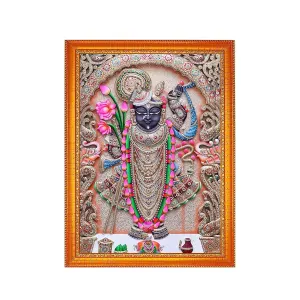
Dwarkadhish Photo Frame for Home Mandir
View details
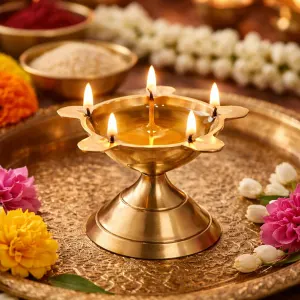
Brass Panchmukhi Diya for Aarti
View details
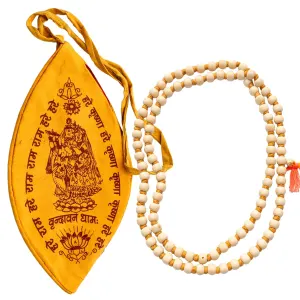
Tulsi Mala 108 Beads with Japa Bag
View details
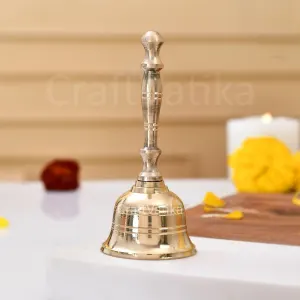
Brass Puja Bell Ghanti for Mandir
View details
Pure Brass Lord Krishna Idol
View details
Laddu Gopal Poshak Dress Set with Mukut
View details

Original Shankh for Puja and Home Mandir
View details
Wooden Home Mandir Temple for Pooja Room
View details