Vaishno Devi Temple, Katra: History, Timings & Visitor Guide
The Vaishno Devi Temple, also known as the Shri Mata Vaishno Devi Temple and Vaishno Devi Bhavan, is a Hindu temple in Katra, Reasi district, Jammu and…

About Vaishno Devi Temple
The Vaishno Devi Temple, also known as the Shri Mata Vaishno Devi Temple and Vaishno Devi Bhavan, is a Hindu temple in Katra, Reasi district, Jammu and Kashmir. Dedicated to Vaishno Devi, a manifestation of goddesses Mahakali, Mahalakshmi, and Mahasarasvati, it is on Trikuta mountain at an elevation of 5,200 feet (1,500 meters). The temple is 43 km from the main city of Jammu and 29 km from the district headquarters Reasi town. The temple is governed by the Shri Mata Vaishno Devi Shrine Board (SMVDSB) and has been chaired by the Governor of Jammu and Kashmir since August 1986.
It is one of the most popular Hindu pilgrimage sites in India, with millions of devotees visiting the temple annually. In 2023 the board reported 9.52 million pilgrims.
Vaishno Devi Temple: Key Facts
- TempleVaishno Devi Temple
- LocationKatra, Jammu and Kashmir
- StateJammu and Kashmir
- Main DeityVaishno Devi
- Entry FeeFree (general darshan)
- Best Time to VisitMay to June and September to October
- Nearest Railway StationKatra railway station, ~5 km
- Nearest AirportJammu (IXJ), ~39 km
- GPS33.03000, 74.94806
Vaishno Devi Temple Timings 2026
Vaishno Devi Temple is open every day, usually from early morning to late evening with a break in the afternoon. Darshan and aarti timings change with the season and on festival days.
- MorningOpens early morning (around 5 to 6 AM)
- AfternoonShort break around midday at many temples
- EveningEvening aarti around sunset, closes by about 8 to 9 PM
Ask the temple office on arrival for the day's aarti schedule.
Dress Code & Temple Rules
- DressModest, traditional clothes covering shoulders and knees
- FootwearRemove before entering; use the shoe stand
- PhotographyNot allowed inside the sanctum
- Not AllowedLeather items, tobacco, alcohol, non-veg food
- QueueFollow queue lines and staff instructions on festival days
How to Reach Vaishno Devi Temple
- LocationKatra, Jammu and Kashmir
- By AirJammu (IXJ), about 39 km
- By AirSrinagar (SXR), about 108 km
- By TrainKatra railway station, about 5 km
- By RoadTaxis, autos and state buses from the railway station and nearby cities
Distance from Nearby Cities
| From | Road Distance (approx.) | Travel Time (approx.) |
|---|---|---|
| Jammu | 51 km | 1 hr |
| Srinagar | 140 km | 3 hr |
| Amritsar | 192 km | 4 hr |
| Kangra | 203 km | 5 hr |
| Kullu | 317 km | 7 hr |
Best Time to Visit
May to June and September to October. Mountain roads are open and weather is pleasant. Many high-altitude shrines close in winter and the monsoon (July–August) brings landslides, so check the opening dates before you plan. Weekday mornings are the least crowded; expect long queues on weekends, holidays and festivals.
History of Vaishno Devi Temple
The shrine originally began as a sacred site for local tribes who worshipped the region's natural geography. The mountain's three prominent peaks were revered as the goddess "Trikuta Devi", a name that was used for centuries. Following migrations into the Jammu region around the 12th century (after the 1192 Battle of Tarain), a cultural synthesis took place. During this period, the local deity Trikuta Devi gradually became identified with the goddess Vaishno Devi. However, the original name remained in common use for a long time; 19th-century European travelers, including G.T. Vigne in 1842 and Sir Richard Temple in 1859, still referred to the deity as "Trikuta Devi" or "Trikuta Mai".
Although the Vaishno Devi temple is now the most popular Devi shrine in the region, its popularity is relatively recent. In 1971, when Inderjit Bhardwaj did a study of Devi shrines in the Siwalik mountains, he did not mention the Vaishno Devi temple as particularly important.. Its popularity increased rapidly after an expansion was done in 1976 so that it could accommodate up to 5,000 visitors per day. By 1981, annual visitors to the shrine were about 900,000; by the early 1990s, the number had increased to over 3 million, and the Vaishno Devi temple had become by far the most popular Devi temple in the region. By 2007, the annual number of pilgrims was about 7.5 million. In June 2007, in order to reduce congestion and improve security, the Shrine Board reduced the limit on the number of visitors allowed per month.
The Vaishno Devi temple was in existence by 1846, when Maharaja Gulab Singh established the Dharmarth Trust to manage several temples in his territory; the Vaishno Devi temple was part of this trust. The trust remained in the hands of Gulab Singh's descendants after independence, and his descendant Karan Singh was responsible for administering the temple as the hereditary trustee until 1986, when Jagmohan, then governor of Jammu and Kashmir, passed legislation transferring control of the Vaishno Devi temple from the Dharmarth Trust and the hereditary priests to a separate Shrine Board.
Legend & Significance
The temple, at a height of 1,585 metres (5,200 ft) is 12 km from Katra on Trikuta hill. It is about 61 km from Jammu city. Geological studies show that the Trikuta Hills are primarily made of limestone and formed during the Precambrian era. A geological survey cited by the Shrine Board suggests that the holy cave is close to one million years old. There is also a mention of the Trikuta hill in Rigveda, the place where the temple is located.
The Mahabharata, which gives the account of the Pandavas and the Kurukshetra War, references the worship of Vaishno Devi. Before the Kurukshetra War, Arjuna is said to have worshipped Durga by the advice of Krishna for the blessings. Pleased by his devotion, the goddess appeared in front of him in the form of Vaishno Devi. When she appeared, Arjuna started praising her with a stotra, in which a verse references a goddess residing in a mountainside temple in 'Jambhu,' believed to be the ancient name for Jammu. Former Governor of Jammu and Kashmir Jagmohan says, "the Mata Vaishno Devi shrine is an ancient one whose antiquity is pre-Mahabharathan, Lord Krishna is believed to have advised Arjuna to go up in the hills of 'Jambhu' and seek the blessings of Vaishno Devi before taking up arms in the battlefield. 'Jambhu' is identified with present-day Jammu. Arjuna while worshipping Vaishno Devi, calls her highest yogi who is free from decrepitude and decay, who is the Mother of the Vedas and the Science of Vedanta and who is giver of Victory and personification of victory itself". According to popular belief, the first temples at Kol Khandoli and Bhawan were established by the Pandavas to express their gratitude to the goddess. Near Trikuta Mountain, there is also a neighboring peak with five stone structures that traditionally represent the Pandavas.
Frequently Asked Questions
Temples Near Vaishno Devi Temple

Martand Sun Temple
The Martand Sun Temple is a Hindu temple located in Mattan, in the Anantnag district of the Kashmir Valley of Jammu and Kashmir, India. It dates…
Read Full Guide
Avanti Swami Temple
The Avantiswami Temple is a ruined Hindu temple complex on the banks of the Jhelum River, approximately 16 km northeast of Pulwama town, in…
Read Full Guide
Shankaracharya Temple, Srinagar
Shankaracharya Temple or Jyeshteshwara Temple is a Hindu temple situated on top of the Zabarwan Range in Srinagar in the Kashmir Valley of the union…
Read Full Guide
Amarnath Temple
Amarnath Temple is a Hindu shrine located in the Pahalgam tehsil of Anantnag district of Jammu and Kashmir,…
Read Full GuideShop Puja & Temple Accessories
Handpicked pooja items and temple accessories for your home mandir, delivered anywhere in India.
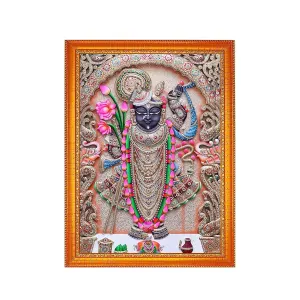
Dwarkadhish Photo Frame for Home Mandir
View details
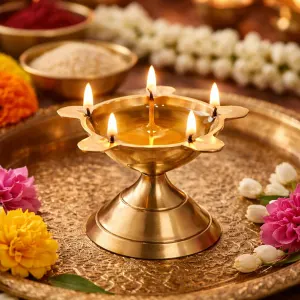
Brass Panchmukhi Diya for Aarti
View details
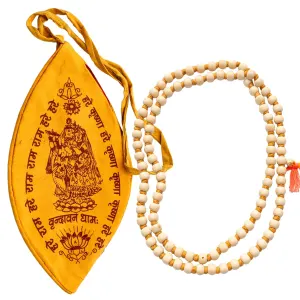
Tulsi Mala 108 Beads with Japa Bag
View details
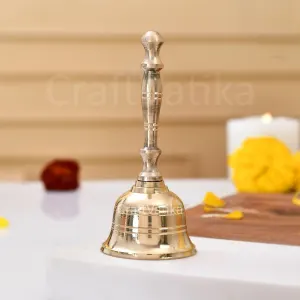
Brass Puja Bell Ghanti for Mandir
View details
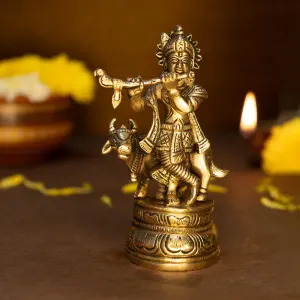
Pure Brass Lord Krishna Idol
View details
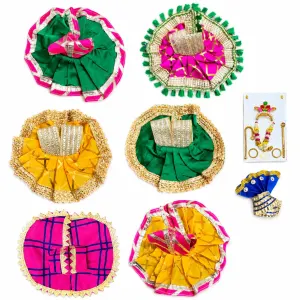
Laddu Gopal Poshak Dress Set with Mukut
View details
Original Shankh for Puja and Home Mandir
View details
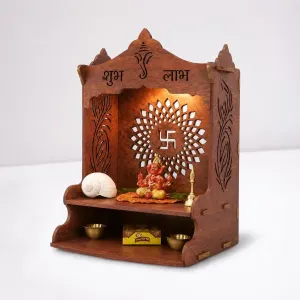
Wooden Home Mandir Temple for Pooja Room
View details