Martand Sun Temple, Anantnag: History, Timings & Visitor Guide
The Martand Sun Temple is a Hindu temple located in Mattan, in the Anantnag district of the Kashmir Valley of Jammu and Kashmir, India. It dates back to the eighth century CE and was dedicated to Surya, the solar deity in Hinduism; Surya is also known by the Sanskrit-language synonym Martand (मार्तण्ड, Mārtaṇḍa).

About Martand Sun Temple
The Martand Sun Temple is a Hindu temple located in Mattan, in the Anantnag district of the Kashmir Valley of Jammu and Kashmir, India. It dates back to the eighth century CE and was dedicated to Surya, the solar deity in Hinduism; Surya is also known by the Sanskrit-language synonym Martand (मार्तण्ड, Mārtaṇḍa). The temple was destroyed by Sikandar Shah Miri.
Martand Sun Temple: Key Facts
- TempleMartand Sun Temple
- LocationAnantnag, Jammu and Kashmir
- StateJammu and Kashmir
- Main DeityMārtanda
- Entry FeeFree (general darshan)
- Best Time to VisitMay to June and September to October
- Nearest Railway StationAnantnag railway station, ~10 km
- Nearest AirportSrinagar (SXR), ~49 km
- GPS33.74540, 75.21999
Martand Sun Temple Timings 2026
Martand Sun Temple is open every day, usually from early morning to late evening with a break in the afternoon. Darshan and aarti timings change with the season and on festival days.
- MorningOpens early morning (around 5 to 6 AM)
- AfternoonShort break around midday at many temples
- EveningEvening aarti around sunset, closes by about 8 to 9 PM
Ask the temple office on arrival for the day's aarti schedule.
Dress Code & Temple Rules
- DressModest, traditional clothes covering shoulders and knees
- FootwearRemove before entering; use the shoe stand
- PhotographyNot allowed inside the sanctum
- Not AllowedLeather items, tobacco, alcohol, non-veg food
- QueueFollow queue lines and staff instructions on festival days
How to Reach Martand Sun Temple
- LocationAnantnag, Jammu and Kashmir
- By AirSrinagar (SXR), about 49 km
- By AirJammu (IXJ), about 123 km
- By TrainAnantnag railway station, about 10 km
- Major StationQazigund railway station, about 18 km
- By RoadTaxis, autos and state buses from the railway station and nearby cities
Distance from Nearby Cities
| From | Road Distance (approx.) | Travel Time (approx.) |
|---|---|---|
| Srinagar | 64 km | 1 hr |
| Jammu | 160 km | 4 hr |
| Kangra | 261 km | 6 hr |
| Amritsar | 299 km | 7 hr |
| Kullu | 358 km | 8 hr |
Best Time to Visit
May to June and September to October. Mountain roads are open and weather is pleasant. Many high-altitude shrines close in winter and the monsoon (July–August) brings landslides, so check the opening dates before you plan. Weekday mornings are the least crowded; expect long queues on weekends, holidays and festivals.
History of Martand Sun Temple
According to Kalhana, the Martand Sun Temple was commissioned by Lalitaditya Muktapida in the eighth century CE.
According to Jonaraja (fl. 1430) as well as Hasan Ali, the temple was destroyed by Sikandar Shah Miri (1389-1413) in a zeal to Islamise society under the advice of Sufi preacher Mir Muhammad Hamadani; Jonaraja pinned the blame on his chief-counsel Suhabhatta, a Brahman neo-convert who was held to have manifested a reign of intense persecution for the local Hindus, whereas Ali particularly affirmed Sikandar's convictions in these aspects.
Scholars caution against accepting these sources at face value — Jonaraja was appointed by Sikandar's son, who sought to bring back the Brahminical elite into the royal fold, while later Muslim chroniclers had their motives to fit the past into an idealist tale of orthodox Islamic morality. According to Chitralekha Zutshi and Richard G. Salomon, Sikandar's policies were guided by realpolitik and, like with the previous Hindu rulers, an attempt to secure political legitimacy by asserting state power over Brahmans and gaining access to wealth controlled by Brahminical institutions. J. L. Bhan notes a stone sculpture—a four-armed Brahma, sculpted by the son of a Buddhist Sanghapati and dedicated to Sikandar—to challenge simplistic notions of religious persecution. Slaje disagrees about the absence of religious motivations but notes the aversion of Brahmin chroniclers to be, largely, the result of resistance to the gradual disintegration of caste-hierarchy under Muslim influence.
Architecture of Martand Sun Temple
The Martand temple was built on top of a plateau from where one can view the whole of the Kashmir Valley. From the ruins and related archaeological findings, it can be said that it was an excellent specimen of Kashmiri architecture, which had blended the Gandharan, Gupta, Chinese and possibly Syrian-Byzantine forms of architecture.
The temple has a colonnaded courtyard, with its primary shrine in its center and surrounded by 84 smaller shrines, stretching 220 feet long and 142 feet broad in total and incorporating a smaller temple that was previously built. The temple turns out to be the largest example of a peristyle in Kashmir and is complex due to its various chambers that are proportional in size and aligned with the overall perimeter of the temple. In Hindu temple architecture, the primary entrance to the temple is situated on the western side of the quadrangle and is the same width as the temple itself, creating grandeur. The entrance is highly reflective of the temple as a whole due to its elaborate decoration and allusion to the deities worshiped inside. The primary shrine is located in a centralised structure (the temple proper) that is thought to have had a pyramidal top - a common feature of the temples in Kashmir. Various wall carvings in the antechamber of the temple proper depict other gods, such as Vishnu, and river goddesses, such as Ganga and Yamuna, in addition to the sun-god Surya.
Frequently Asked Questions
Temples Near Martand Sun Temple

Avanti Swami Temple
The Avantiswami Temple is a ruined Hindu temple complex on the banks of the Jhelum River, approximately 16 km northeast of Pulwama town, in…
Read Full Guide
Shankaracharya Temple, Srinagar
Shankaracharya Temple or Jyeshteshwara Temple is a Hindu temple situated on top of the Zabarwan Range in Srinagar in the Kashmir Valley of the union…
Read Full Guide
Amarnath Temple
Amarnath Temple is a Hindu shrine located in the Pahalgam tehsil of Anantnag district of Jammu and Kashmir,…
Read Full Guide
Vaishno Devi Temple
The Vaishno Devi Temple, also known as the Shri Mata Vaishno Devi Temple and Vaishno Devi Bhavan, is a Hindu temple in Katra, Reasi district, Jammu…
Read Full GuideShop Puja & Temple Accessories
Handpicked pooja items and temple accessories for your home mandir, delivered anywhere in India.
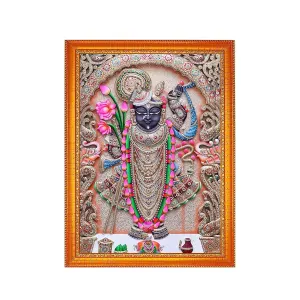
Dwarkadhish Photo Frame for Home Mandir
View details
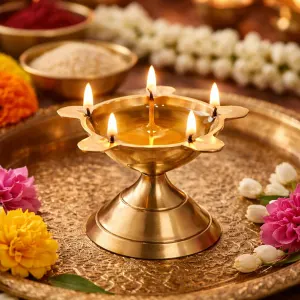
Brass Panchmukhi Diya for Aarti
View details
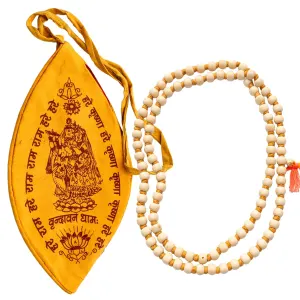
Tulsi Mala 108 Beads with Japa Bag
View details
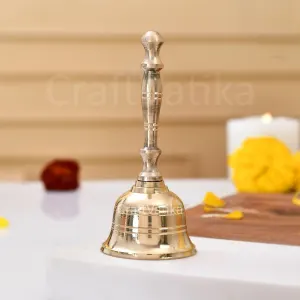
Brass Puja Bell Ghanti for Mandir
View details
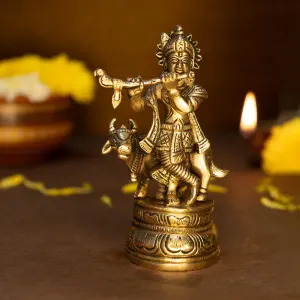
Pure Brass Lord Krishna Idol
View details

Laddu Gopal Poshak Dress Set with Mukut
View details

Original Shankh for Puja and Home Mandir
View details
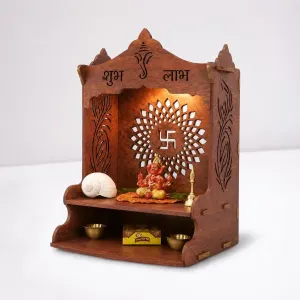
Wooden Home Mandir Temple for Pooja Room
View details