Chennakesava Temple, Belur: History, Timings & Visitor Guide
The Chennakeshava Temple, also referred to as the Keshava, Kesava or Vijayanarayana Temple, is a 12th-century Hindu temple in the Hassan district of Karnataka, India. It was commissioned by King Vishnuvardhana in 1117 CE, on the banks of the Yagachi River in Belur, an early Hoysala Empire capital.

About Chennakesava Temple
The Chennakeshava Temple, also referred to as the Keshava, Kesava or Vijayanarayana Temple, is a 12th-century Hindu temple in the Hassan district of Karnataka, India. It was commissioned by King Vishnuvardhana in 1117 CE, on the banks of the Yagachi River in Belur, an early Hoysala Empire capital. The temple was built over three generations and took 103 years to finish. It was repeatedly damaged and plundered during wars, repeatedly rebuilt and repaired over its history. It is located 35 km from Hassan city and about 220 km from Bengaluru.
Chennakesava (lit, "handsome Kesava") is a form of the Hindu god Vishnu. The temple is dedicated to Vishnu and has been an active Hindu temple since its inception. It is reverentially described in medieval Hindu texts, and remains an important pilgrimage site in Vaishnavism. The temple is remarkable for its architecture, sculptures, reliefs, friezes as well its iconography, inscriptions and history. The temple artwork depicts scenes of life in the 12th century, dancers and musicians, as well as a pictorial narration of Hindu texts such as the Ramayana, the Mahabharata and the Puranas through numerous friezes. It is a Vaishnava temple that reverentially includes many themes from Shaivism and Shaktism, as well as images of a Jina from Jainism and the Buddha from Buddhism. The Chennakeshava temple is a testimony to the artistic, cultural, and theological perspectives in 12th-century South India and the Hoysala Empire rule.
The Belur temple complex, along with the nearby Hoysaleswara Temple at Halebidu and the Keshava Temple at Somanathapura, was declared a World Heritage Site by UNESCO in 2023 as part of the Sacred Ensembles of the Hoysalas.
Chennakesava Temple: Key Facts
- TempleChennakesava Temple
- LocationBelur, Karnataka
- StateKarnataka
- Entry FeeFree (general darshan)
- Best Time to VisitOctober to February
- Nearest Railway StationChikkamagaluru railway station, ~18 km
- Nearest AirportShivamogga (RQY), ~81 km
- GPS13.16286, 75.86056
Chennakesava Temple Timings 2026
Chennakesava Temple is open every day, usually from early morning to late evening with a break in the afternoon. Darshan and aarti timings change with the season and on festival days.
- MorningOpens early morning (around 5 to 6 AM)
- AfternoonShort break around midday at many temples
- EveningEvening aarti around sunset, closes by about 8 to 9 PM
Ask the temple office on arrival for the day's aarti schedule.
Dress Code & Temple Rules
- DressModest, traditional clothes covering shoulders and knees
- FootwearRemove before entering; use the shoe stand
- PhotographyNot allowed inside the sanctum
- Not AllowedLeather items, tobacco, alcohol, non-veg food
- QueueFollow queue lines and staff instructions on festival days
How to Reach Chennakesava Temple
- LocationBelur, Karnataka
- By AirShivamogga (RQY), about 81 km
- By AirMangaluru (IXE), about 107 km
- By TrainChikkamagaluru railway station, about 18 km
- Major StationMangaluru Junction railway station, about 111 km
- By RoadTaxis, autos and state buses from the railway station and nearby cities
Distance from Nearby Cities
| From | Road Distance (approx.) | Travel Time (approx.) |
|---|---|---|
| Shivamogga | 106 km | 2 hr |
| Mangaluru | 140 km | 3 hr |
| Mysuru | 175 km | 4 hr |
| Kannur | 185 km | 4 hr |
| Bengaluru | 260 km | 6 hr |
Best Time to Visit
October to February. The weather is cooler and drier. April–May is very hot, and the monsoon brings heavy rain to the coast. Weekday mornings are the least crowded; expect long queues on weekends, holidays and festivals.
History of Chennakesava Temple
The Hoysala period of South Indian history began about 1000 CE and continued through 1346 CE. In this period, they built around 1,500 temples in 958 centres. Belur is called Beluhur, Velur or Velapura in old inscriptions and medieval era texts. It was the early capital of the Hoysala kings. The city was so esteemed by the Hoysalas that it is referred to as "earthly Vaikuntha" (Vishnu's abode).
One of the Hoyasala kings was Vishnuvardhana, who came to power in 1110 CE. He commissioned the Chennakeshava temple dedicated to Vishnu in 1117 CE, a temple considered as one of "five foundations" of his legacy. According to Dhaky – a scholar of Indian temple architecture and temple history, this temple reflects the rising opulence, political power, deep spiritual dedication to Sri Vaishnavism of Ramanujacharya, and it is his magnum opus. The main temple is called Vijaya-Narayana and the smaller temple next to it built by his queen Santala Devi is called Chennakesava in the inscriptions of his era, but these two temples are now called the Chennakesava temple and Chennigaraya temple respectively.
The main Chennakeshava temple at Belur was complete and consecrated in 1117 CE, though the complex continued to expand over 100 some years. Vishnuvardhana moved his capital to Dorasamudra, (also referred to as Dvarasamudra, now Halebidu), famous for the Hoysaleswara Temple dedicated to Shiva. Its construction continued till he died in 1140 CE. His legacy was continued by his descendants who completed the Hoysaleswara Temple in 1150 CE, and other temples about 200 kilometers away such as the Chennakesava Temple, Somanathapura in 1258 CE. The Hoysalas employed many noted architects and artisans who developed a new architectural tradition, which art historian Adam Hardy calls the Karnata Dravida tradition.
Frequently Asked Questions
Temples Near Chennakesava Temple

Hoysaleswara Temple
Hoysaleshwara temple (also spelled as Hoysaleswara, Hoysaleśvara or Hoywalesvara temple), also referred simply as the Halebidu temple, is a…
Read Full Guide
Kedareswara temple, Halebidu
Kedareshwara Temple (also spelt "Kedaresvara" or "Kedareshvara") is a Hoysala era construction in the historically important town of Halebidu, in…
Read Full Guide
Ishvara Temple, Arasikere
The Ishvara temple, also referred to as the Ishwara or Isvara temple, is an early 13th-century Hindu temple in Arsikere, Hassan district, Karnataka…
Read Full Guide
Dharmasthala Temple
Dharmasthala Temple (Shri Kṣhētra Dharmasthala) is an 800-year-old Hindu religious institution in the temple town of Dharmasthala in Dakshina…
Read Full Guide
Amrutesvara Temple
The Amruteshvara temple also spelt "Amrutesvara" or "Amruteshwara", is located in the village of Amruthapura, 67 km north of Chikmagalur town in the…
Read Full Guide
Kadri Manjunath Temple
Kadri Manjunatha Temple is a historic temple in Mangaluru in the state of Karnataka, India. The incharge and priests in the temple are Shivalli…
Read Full GuideShop Puja & Temple Accessories
Handpicked pooja items and temple accessories for your home mandir, delivered anywhere in India.
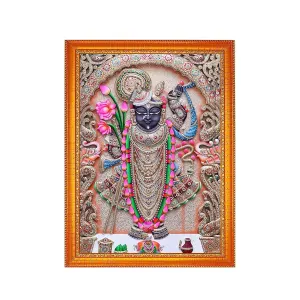
Dwarkadhish Photo Frame for Home Mandir
View details
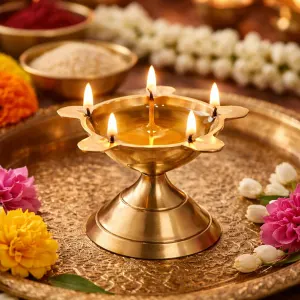
Brass Panchmukhi Diya for Aarti
View details
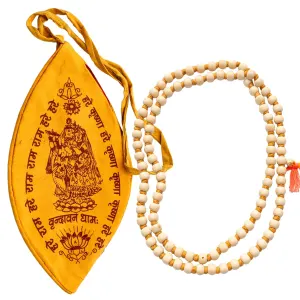
Tulsi Mala 108 Beads with Japa Bag
View details
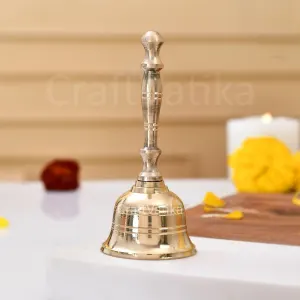
Brass Puja Bell Ghanti for Mandir
View details
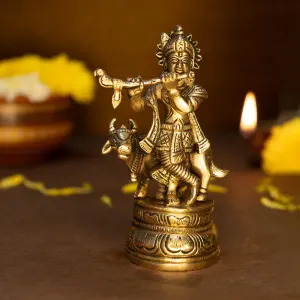
Pure Brass Lord Krishna Idol
View details
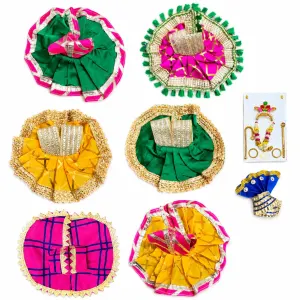
Laddu Gopal Poshak Dress Set with Mukut
View details
Original Shankh for Puja and Home Mandir
View details
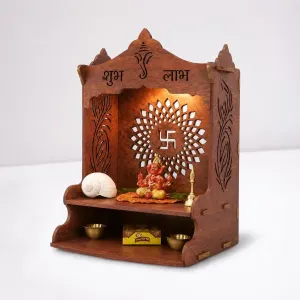
Wooden Home Mandir Temple for Pooja Room
View details