Amrutesvara Temple, Chikmagalur: History, Timings & Visitor Guide
The Amruteshvara temple also spelt "Amrutesvara" or "Amruteshwara", is located in the village of Amruthapura, 67 km north of Chikmagalur town in the Chikkamagaluru district of the Karnataka state, India. Located 110 km from Hassan and 50 km from Shimoga on NH 206, Amruthapura is known for the Amruteshvara temple.

About Amrutesvara Temple
The Amruteshvara temple also spelt "Amrutesvara" or "Amruteshwara", is located in the village of Amruthapura, 67 km north of Chikmagalur town in the Chikkamagaluru district of the Karnataka state, India. Located 110 km from Hassan and 50 km from Shimoga on NH 206, Amruthapura is known for the Amruteshvara temple. The temple was built in 1196 CE by Amrutheshwara Dandanayaka (lit, "commander") under Hoysala King Veera Ballala II.
Amrutesvara Temple: Key Facts
- TempleAmrutesvara Temple
- LocationChikmagalur, Karnataka
- StateKarnataka
- Entry FeeFree (general darshan)
- Best Time to VisitOctober to February
- Nearest Railway StationTarikere Junction railway station, ~6 km
- Nearest AirportShivamogga (RQY), ~29 km
- GPS13.74148, 75.85369
Amrutesvara Temple Timings 2026
Amrutesvara Temple is open every day, usually from early morning to late evening with a break in the afternoon. Darshan and aarti timings change with the season and on festival days.
- MorningOpens early morning (around 5 to 6 AM)
- AfternoonShort break around midday at many temples
- EveningEvening aarti around sunset, closes by about 8 to 9 PM
Ask the temple office on arrival for the day's aarti schedule.
Dress Code & Temple Rules
- DressModest, traditional clothes covering shoulders and knees
- FootwearRemove before entering; use the shoe stand
- PhotographyNot allowed inside the sanctum
- Not AllowedLeather items, tobacco, alcohol, non-veg food
- QueueFollow queue lines and staff instructions on festival days
How to Reach Amrutesvara Temple
- LocationChikmagalur, Karnataka
- By AirShivamogga (RQY), about 29 km
- By AirMangaluru (IXE), about 136 km
- By TrainTarikere Junction railway station, about 6 km
- Major StationMangaluru Junction railway station, about 143 km
- By RoadTaxis, autos and state buses from the railway station and nearby cities
Distance from Nearby Cities
| From | Road Distance (approx.) | Travel Time (approx.) |
|---|---|---|
| Shivamogga | 38 km | 1 hr |
| Mangaluru | 176 km | 4 hr |
| Mysuru | 246 km | 5 hr |
| Hubballi | 258 km | 6 hr |
| Kannur | 267 km | 6 hr |
Best Time to Visit
October to February. The weather is cooler and drier. April–May is very hot, and the monsoon brings heavy rain to the coast. Weekday mornings are the least crowded; expect long queues on weekends, holidays and festivals.
History of Amrutesvara Temple
The temple is a built according to Hoysala architecture with a wide open mantapa (hall). The temple has an original outer wall with unique equally spaced circular carvings. The temple has one vimana (shrine and tower) and therefore is a ekakuta design, and has a closed mantapa (hall) that connects the sanctum to the large open mantapa.
It is medium-sized Hoysala temple with certain vastu features similar to the Veera Narayana Temple, Belavadi in mantapa structure and size. The open mantapa has twenty nine bays, and the closed mantapa has nine bays with a side porch that leads to a separate shrine on the south side. The shrine is square in shape has the original superstructure (shikhara) which is adorned with sculptures of Kirtimukhas (demon faces), miniature decorative towers (aedicule). Below the superstructure, the usually seen panel of Hindu deities is absent. The base of the wall has five mouldings which according to art critic Foekema is an "older Hoysala style". The sukanasi, the tower on top of the vestibule that connects the sanctum to the closed mantapa (the Sukanasi appears like the nose of the superstructure), has the original Hoysala emblem of "Sala" fighting the lion.
The rows of shining lathe turned pillars that support the ceiling of the mantapa is a Hoysala-Chalukya decorative idiom. The mantapa has many deeply domed inner ceiling structures adorned with floral designs. The outer parapet wall of the open mantapa has a total of hundred and forty panel sculptures with depictions from the Hindu epics. Unlike many Hoysala temples where the panels are small and carvings in miniature, these panels are comparatively larger. The Ramayana is sculpted on the south side wall on seventy panels, with the story proceeding quite unusually, in anti-clockwise direction. On the north side wall, all depictions are clockwise, a norm in Hoysala architectural articulation. Twenty five panels depict the life of the Hindu god Krishna and the remaining forty five panels depict scenes from the epic Mahabharata.
Frequently Asked Questions
Temples Near Amrutesvara Temple

Hoysaleswara Temple
Hoysaleshwara temple (also spelled as Hoysaleswara, Hoysaleśvara or Hoywalesvara temple), also referred simply as the Halebidu temple, is a…
Read Full Guide
Kedareswara temple, Halebidu
Kedareshwara Temple (also spelt "Kedaresvara" or "Kedareshvara") is a Hoysala era construction in the historically important town of Halebidu, in…
Read Full Guide
Chennakesava Temple
The Chennakeshava Temple, also referred to as the Keshava, Kesava or Vijayanarayana Temple, is a 12th-century Hindu temple in the Hassan district of…
Read Full Guide
Ishvara Temple, Arasikere
The Ishvara temple, also referred to as the Ishwara or Isvara temple, is an early 13th-century Hindu temple in Arsikere, Hassan district, Karnataka…
Read Full Guide
Dharmasthala Temple
Dharmasthala Temple (Shri Kṣhētra Dharmasthala) is an 800-year-old Hindu religious institution in the temple town of Dharmasthala in Dakshina…
Read Full Guide
Kaitabheshvara Temple, Kubatur
The Kaitabheshvara temple (also spelt Kaitabhesvara or Kaitabheshwara, known also as Kotisvara) is located in the town of Kubatur (also spelt…
Read Full GuideShop Puja & Temple Accessories
Handpicked pooja items and temple accessories for your home mandir, delivered anywhere in India.
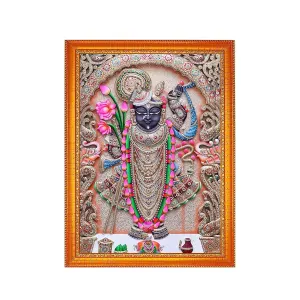
Dwarkadhish Photo Frame for Home Mandir
View details
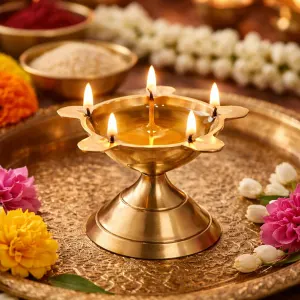
Brass Panchmukhi Diya for Aarti
View details
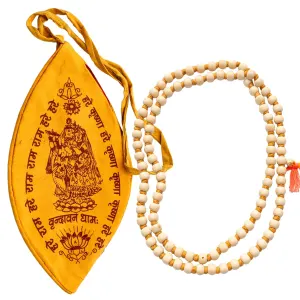
Tulsi Mala 108 Beads with Japa Bag
View details
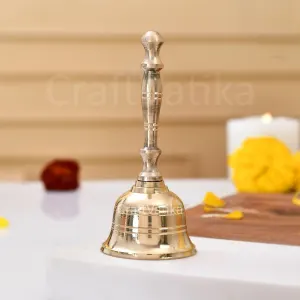
Brass Puja Bell Ghanti for Mandir
View details
Pure Brass Lord Krishna Idol
View details
Laddu Gopal Poshak Dress Set with Mukut
View details
Original Shankh for Puja and Home Mandir
View details
Wooden Home Mandir Temple for Pooja Room
View details