Kedareswara temple, Halebidu, Hassan: History, Timings & Visitor Guide
Kedareshwara Temple (also spelt "Kedaresvara" or "Kedareshvara") is a Hoysala era construction in the historically important town of Halebidu, in the Hassan district of Karnataka state, India. It is located a short distance away from the famous Hoysaleswara Temple.

About Kedareswara temple, Halebidu
Kedareshwara Temple (also spelt "Kedaresvara" or "Kedareshvara") is a Hoysala era construction in the historically important town of Halebidu, in the Hassan district of Karnataka state, India. It is located a short distance away from the famous Hoysaleswara Temple. The temple was constructed by Hoysala King Veera Ballala II (r. 1173–1220 CE) and his Queen Ketaladevi, and the main deity is Ishwara (another name for the Hindu god Shiva). The temple is protected as a monument of national importance by the Archaeological Survey of India.
Kedareswara temple, Halebidu: Key Facts
- TempleKedareswara temple, Halebidu
- LocationHassan, Karnataka
- StateKarnataka
- Entry FeeFree (general darshan)
- Best Time to VisitOctober to February
- Nearest Railway StationKanivehalli railway station, ~17 km
- Nearest AirportShivamogga (RQY), ~83 km
- GPS13.20903, 75.99767
Kedareswara temple, Halebidu Timings 2026
Kedareswara temple, Halebidu is open every day, usually from early morning to late evening with a break in the afternoon. Darshan and aarti timings change with the season and on festival days.
- MorningOpens early morning (around 5 to 6 AM)
- AfternoonShort break around midday at many temples
- EveningEvening aarti around sunset, closes by about 8 to 9 PM
Ask the temple office on arrival for the day's aarti schedule.
Dress Code & Temple Rules
- DressModest, traditional clothes covering shoulders and knees
- FootwearRemove before entering; use the shoe stand
- PhotographyNot allowed inside the sanctum
- Not AllowedLeather items, tobacco, alcohol, non-veg food
- QueueFollow queue lines and staff instructions on festival days
How to Reach Kedareswara temple, Halebidu
- LocationHassan, Karnataka
- By AirShivamogga (RQY), about 83 km
- By AirMangaluru (IXE), about 123 km
- By TrainKanivehalli railway station, about 17 km
- Major StationMysore Junction railway station, about 121 km
- By RoadTaxis, autos and state buses from the railway station and nearby cities
Distance from Nearby Cities
| From | Road Distance (approx.) | Travel Time (approx.) |
|---|---|---|
| Shivamogga | 108 km | 2 hr |
| Mangaluru | 160 km | 4 hr |
| Mysuru | 169 km | 4 hr |
| Kannur | 197 km | 4 hr |
| Bengaluru | 240 km | 5 hr |
Best Time to Visit
October to February. The weather is cooler and drier. April–May is very hot, and the monsoon brings heavy rain to the coast. Weekday mornings are the least crowded; expect long queues on weekends, holidays and festivals.
History of Kedareswara temple, Halebidu
According to art historian Adam Hardy, the temple was constructed before 1219 CE and is constructed with Soap stone. The usage of Soap stone was first popularised by the Western Chalukyas before it became standard with the Hoysala architects of the 12th and 13th centuries. The temple stands on the platform called jagati which is typically five to six feet in height and which can be reached by a flight of steps. According to historian Kamath, this is a Hoysala innovation. Hoysala temples normally don't provide a path for circumambulation (pradakshinapatha) around the inner sanctum (garbhagriha). However, the platform provides this convenience in addition to giving the onlooker a good view of the wall relief and sculptures. The outlay of the main shrine (Vimana) is star-shaped (stellate) with two smaller shrines that have perforated windows (called Jali, literally, "sieve") on the sides. According to the art historian Gerard Foekema, star-shaped or "staggered square" (or cross in square) temple plans are quite common among Hoysala constructions, creating multiple projections and recesses in the outer walls. In these projections, the Hoysala architects created repetitive decorative sculptures and reliefs called "architectural articulation".
Since the temple has three shrines, it qualifies as a trikuta, a three shrined structure. Often in trikutas, only the central shrine has a tower while the lateral shrines are virtually hidden behind the thick outer walls and appear to be a part of the hall itself. Despite being a Shaiva temple (related to god Shiva) it is well known for its friezes and panel relief that bare depictions from both the Shaiva and Vaishnava (related to the god Vishnu) legend. The three sanctums are connected to a "staggered square" (indented) central hall (mahamantapa) by individual vestibules called sukanasi. A porch connects the central hall to the platform. The base of the temple wall (adhisthana) around the common hall and the two lateral shrines consist of mouldings, each of which is treated with friezes in relief that depict animals and episodes from the Hindu lore (purana). Historian Kamath calls this "horizontal treatment". The image of the deity of worship is missing in all three sanctums and the superstructure over all three shrines are lost. Some noteworthy pieces of sculpture worthy of mention are the dancing Bhairava (a form of Shiva), Govardhana (the god Krishna lifting a mountain), the god Vishnu as Varadaraja, and a huntress.
Frequently Asked Questions
Temples Near Kedareswara temple, Halebidu

Hoysaleswara Temple
Hoysaleshwara temple (also spelled as Hoysaleswara, Hoysaleśvara or Hoywalesvara temple), also referred simply as the Halebidu temple, is a…
Read Full Guide
Chennakesava Temple
The Chennakeshava Temple, also referred to as the Keshava, Kesava or Vijayanarayana Temple, is a 12th-century Hindu temple in the Hassan district of…
Read Full Guide
Ishvara Temple, Arasikere
The Ishvara temple, also referred to as the Ishwara or Isvara temple, is an early 13th-century Hindu temple in Arsikere, Hassan district, Karnataka…
Read Full Guide
Amrutesvara Temple
The Amruteshvara temple also spelt "Amrutesvara" or "Amruteshwara", is located in the village of Amruthapura, 67 km north of Chikmagalur town in the…
Read Full Guide
Dharmasthala Temple
Dharmasthala Temple (Shri Kṣhētra Dharmasthala) is an 800-year-old Hindu religious institution in the temple town of Dharmasthala in Dakshina…
Read Full Guide
Kadri Manjunath Temple
Kadri Manjunatha Temple is a historic temple in Mangaluru in the state of Karnataka, India. The incharge and priests in the temple are Shivalli…
Read Full GuideShop Puja & Temple Accessories
Handpicked pooja items and temple accessories for your home mandir, delivered anywhere in India.
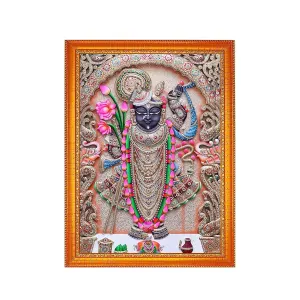
Dwarkadhish Photo Frame for Home Mandir
View details
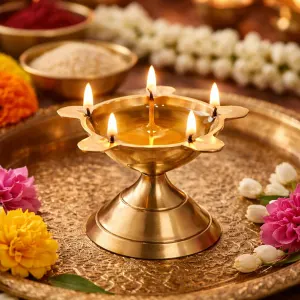
Brass Panchmukhi Diya for Aarti
View details
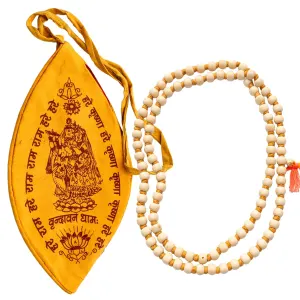
Tulsi Mala 108 Beads with Japa Bag
View details

Brass Puja Bell Ghanti for Mandir
View details
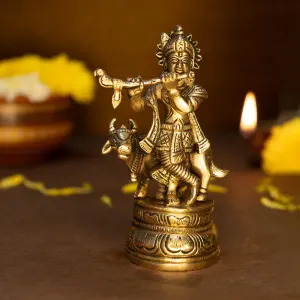
Pure Brass Lord Krishna Idol
View details
Laddu Gopal Poshak Dress Set with Mukut
View details

Original Shankh for Puja and Home Mandir
View details
Wooden Home Mandir Temple for Pooja Room
View details