Ishvara Temple, Arasikere, Hassan: History, Timings & Visitor Guide
The Ishvara temple, also referred to as the Ishwara or Isvara temple, is an early 13th-century Hindu temple in Arsikere, Hassan district, Karnataka…

About Ishvara Temple, Arasikere
The Ishvara temple, also referred to as the Ishwara or Isvara temple, is an early 13th-century Hindu temple in Arsikere, Hassan district, Karnataka India. Dedicated to Shiva, it is one of the most notable early Hoysala architecture examples with a rotating circular plan, a domed mandapa with a 16-point star shape, a pancatala vimana, and a galaxy of artwork depicting Shaivism, Vaishnavism, Shaktism and Vedic legends of Hinduism.
The Ishvara temple was one among a complex of many Hindu temples in Arasikere. Most of these and their artwork were destroyed and mutilated in or after the 14th-century. Along with the Ishvara temple, a simpler and more damaged double temple (Shivalaya) survives and is to the immediate north of the Ishvara temple within the current compound. This double temple has red-stone pillars. About 200 meters to the southwest of the Ishvara temple is the Sahasrakuta Jinalaya – a ruined and mutilated monument of Jainism.
The Ishvara temple is protected as a monument of national importance by the Archaeological Survey of India.
Ishvara Temple, Arasikere: Key Facts
- TempleIshvara Temple, Arasikere
- LocationHassan, Karnataka
- StateKarnataka
- Entry FeeFree (general darshan)
- Best Time to VisitOctober to February
- Nearest Railway StationArsikere Junction railway station, ~1 km
- Nearest AirportShivamogga (RQY), ~92 km
- GPS13.31811, 76.26039
Ishvara Temple, Arasikere Timings 2026
Ishvara Temple, Arasikere is open every day, usually from early morning to late evening with a break in the afternoon. Darshan and aarti timings change with the season and on festival days.
- MorningOpens early morning (around 5 to 6 AM)
- AfternoonShort break around midday at many temples
- EveningEvening aarti around sunset, closes by about 8 to 9 PM
Ask the temple office on arrival for the day's aarti schedule.
Dress Code & Temple Rules
- DressModest, traditional clothes covering shoulders and knees
- FootwearRemove before entering; use the shoe stand
- PhotographyNot allowed inside the sanctum
- Not AllowedLeather items, tobacco, alcohol, non-veg food
- QueueFollow queue lines and staff instructions on festival days
How to Reach Ishvara Temple, Arasikere
- LocationHassan, Karnataka
- By AirShivamogga (RQY), about 92 km
- By AirMysuru (MYQ), about 128 km
- By TrainArsikere Junction railway station, about 1 km
- Major StationMysore Junction railway station, about 119 km
- By RoadTaxis, autos and state buses from the railway station and nearby cities
Distance from Nearby Cities
| From | Road Distance (approx.) | Travel Time (approx.) |
|---|---|---|
| Shivamogga | 120 km | 3 hr |
| Mysuru | 167 km | 4 hr |
| Mangaluru | 200 km | 4 hr |
| Bengaluru | 204 km | 5 hr |
| Kannur | 226 km | 5 hr |
Best Time to Visit
October to February. The weather is cooler and drier. April–May is very hot, and the monsoon brings heavy rain to the coast. Weekday mornings are the least crowded; expect long queues on weekends, holidays and festivals.
History of Ishvara Temple, Arasikere
Arasikere, also referred to as Arsikere or Arsiyakere in historic Indian texts, is located about 41 kilometres (25 mi) east of Hassan city and about 140 kilometres (87 mi) north of Mysuru city. It is at the southwestern edge of the Nagapuri forest and hills, connected to India's national highway network through NH 73. The Isvara temple is located on the northeastern side of the town. Arasikere (lit "Queens tank") is derived from Arasi, which means "queen" or "princess" and kere means "tank" in the Kannada language.
The temple has several inscribed stones, as well as hero stones. None provide the foundation information to help date this temple. However, given the references in these available inscriptions, this temple must have been in existence during the reign of Narasimha II of the Hoysala dynasty, by about 1220 CE. Further, these same inscriptions suggest the Ishvara temple was one among much bigger complex of temples, and that the Shiva linga inside this temple was referred to as Kattamesvara. The temples were active till the early 14th-century, given the evidence of gifts and donations mentioned in the inscriptions. In a survey completed in 1918 by a team of British and Indian archaeologists, the team reported another inscription – Arsikere Inscription #84 – that helps establish that the double temple to the left of the Ishvara temple was also in existence by 1220 CE. They reported witnessing numerous mutilated figures of Durga, Ganesha, Mahisasuramardini and others, as well as scattered sections of "some temple which is no longer in existence".
Architecture of Ishvara Temple, Arasikere
The Ishvara temple was constructed using soapstone. It is modest in size, yet with a sophisticated architecture because of its ground plan: a 16-point star-shaped mantapa (hall) and a stellate shrine with each corner distinct. According to Dhaky, a scholar of temple architecture and history, the temple "ranks among the most notable of the Hoysala times". Foekema calls it "exceptionally intricate".
The temple faces east. It has an open navaranga and a mukha-mantapa with a round dome on top, likely one with a seated Nandi (now missing). This open mandapa is supported on 21 pillars, of which 8 are towards the middle and decorated, while the outer 13 pillars have a pair of elephants near their base. There is a square outer porch. The open mantapa (mandapa, hall), is a deep concentric joist-and rafter ceiling with an inverted lotus, states Dhaky, and this is so crafted that it successfully simulates a timber appearance. The architect provided an integrated stone bench along the sides of the open mandapa for pilgrims to gather and sit. Inside is another closed gudha-mantapa. The gudha-mandapa is a 20 feet by 20 feet square. The ceiling of this closed mantapa is supported by four lathe turned pillars.
Frequently Asked Questions
Temples Near Ishvara Temple, Arasikere

Kedareswara temple, Halebidu
Kedareshwara Temple (also spelt "Kedaresvara" or "Kedareshvara") is a Hoysala era construction in the historically important town of Halebidu, in…
Read Full Guide
Hoysaleswara Temple
Hoysaleshwara temple (also spelled as Hoysaleswara, Hoysaleśvara or Hoywalesvara temple), also referred simply as the Halebidu temple, is a…
Read Full Guide
Chennakesava Temple
The Chennakeshava Temple, also referred to as the Keshava, Kesava or Vijayanarayana Temple, is a 12th-century Hindu temple in the Hassan district of…
Read Full Guide
Amrutesvara Temple
The Amruteshvara temple also spelt "Amrutesvara" or "Amruteshwara", is located in the village of Amruthapura, 67 km north of Chikmagalur town in the…
Read Full Guide
Dharmasthala Temple
Dharmasthala Temple (Shri Kṣhētra Dharmasthala) is an 800-year-old Hindu religious institution in the temple town of Dharmasthala in Dakshina…
Read Full Guide
Srikanteshwara Temple, Nanjangud
The Nanjundeshwara Temple (also called Srikanteshwara Temple) is an ancient temple dedicated to Shiva in the Hindu pilgrimage town of Nanjanagudu in…
Read Full GuideShop Puja & Temple Accessories
Handpicked pooja items and temple accessories for your home mandir, delivered anywhere in India.
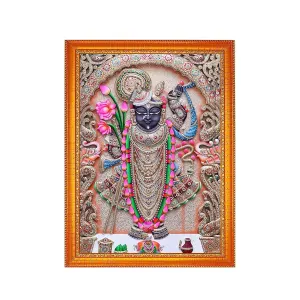
Dwarkadhish Photo Frame for Home Mandir
View details
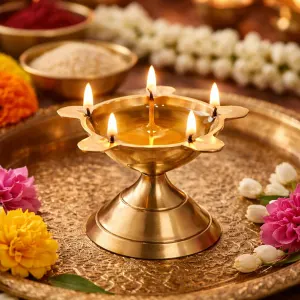
Brass Panchmukhi Diya for Aarti
View details
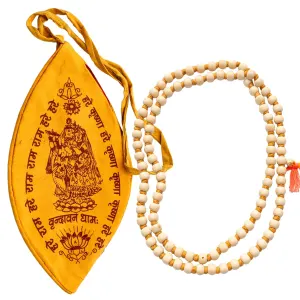
Tulsi Mala 108 Beads with Japa Bag
View details
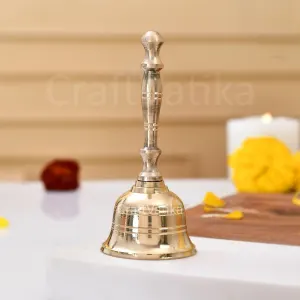
Brass Puja Bell Ghanti for Mandir
View details
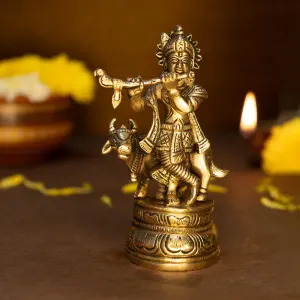
Pure Brass Lord Krishna Idol
View details
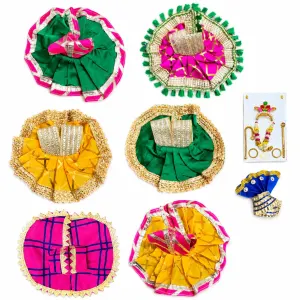
Laddu Gopal Poshak Dress Set with Mukut
View details
Original Shankh for Puja and Home Mandir
View details
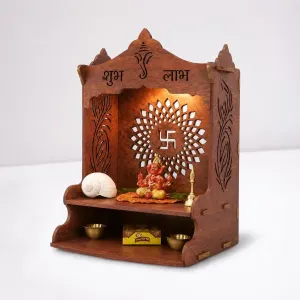
Wooden Home Mandir Temple for Pooja Room
View details